2-8 october 2024
Science Diplomacy in XXI century
Foundations, players and dynamics for a future practice
School
International School of Science & Diplomacy
From the second half of the last century onward, the need to address global challenges has led to an increasing emphasis on science diplomacy, understood as the contribution of science to the development of international cooperation. Although this practice has very distant origins, in recent years, science diplomacy has been progressively integrated into foreign policy decision- making and the work of international organizations, becoming an indispensable tool for assessing the actions needed to address shared problems, such as the spread of pandemics and the effects of climate change.
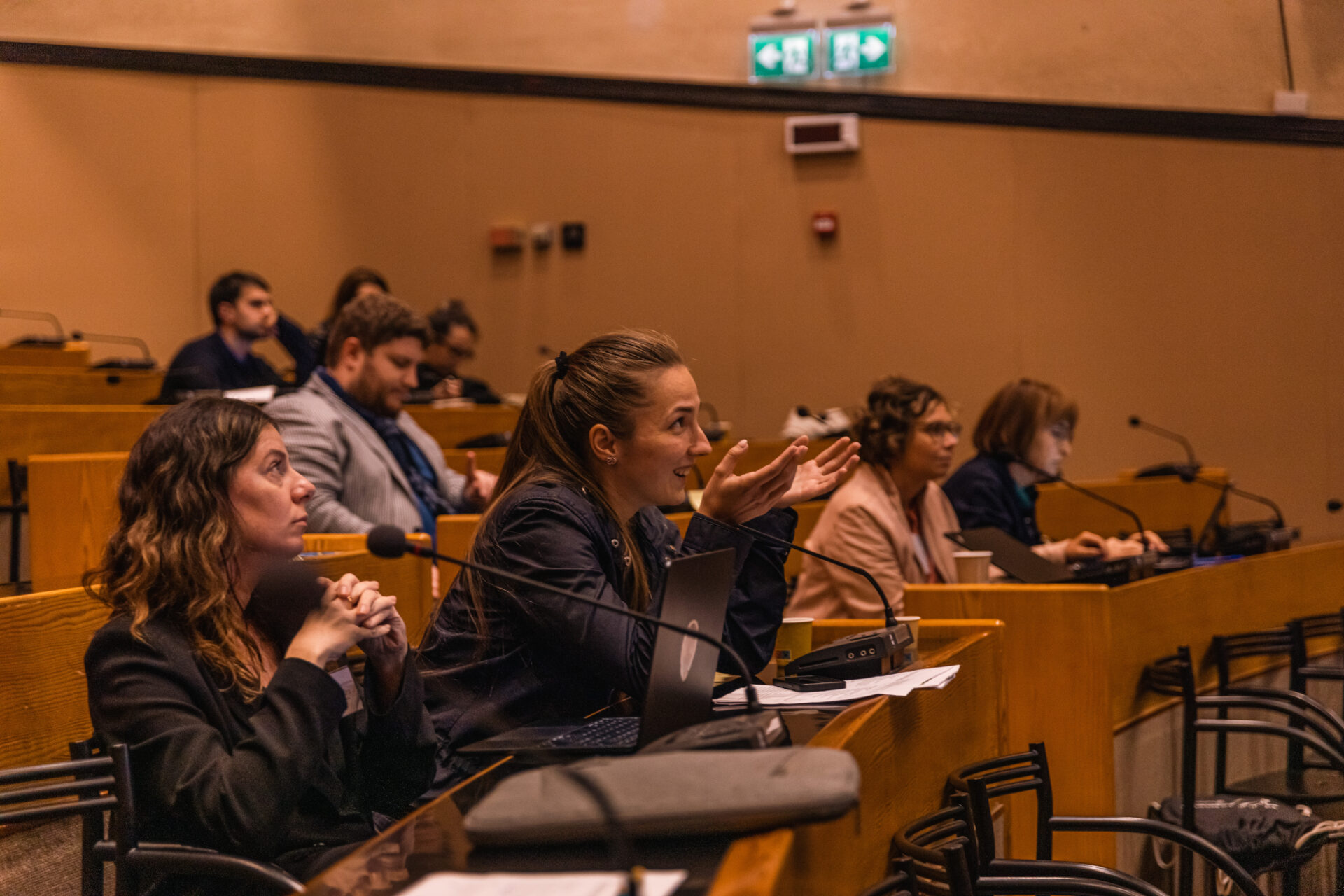
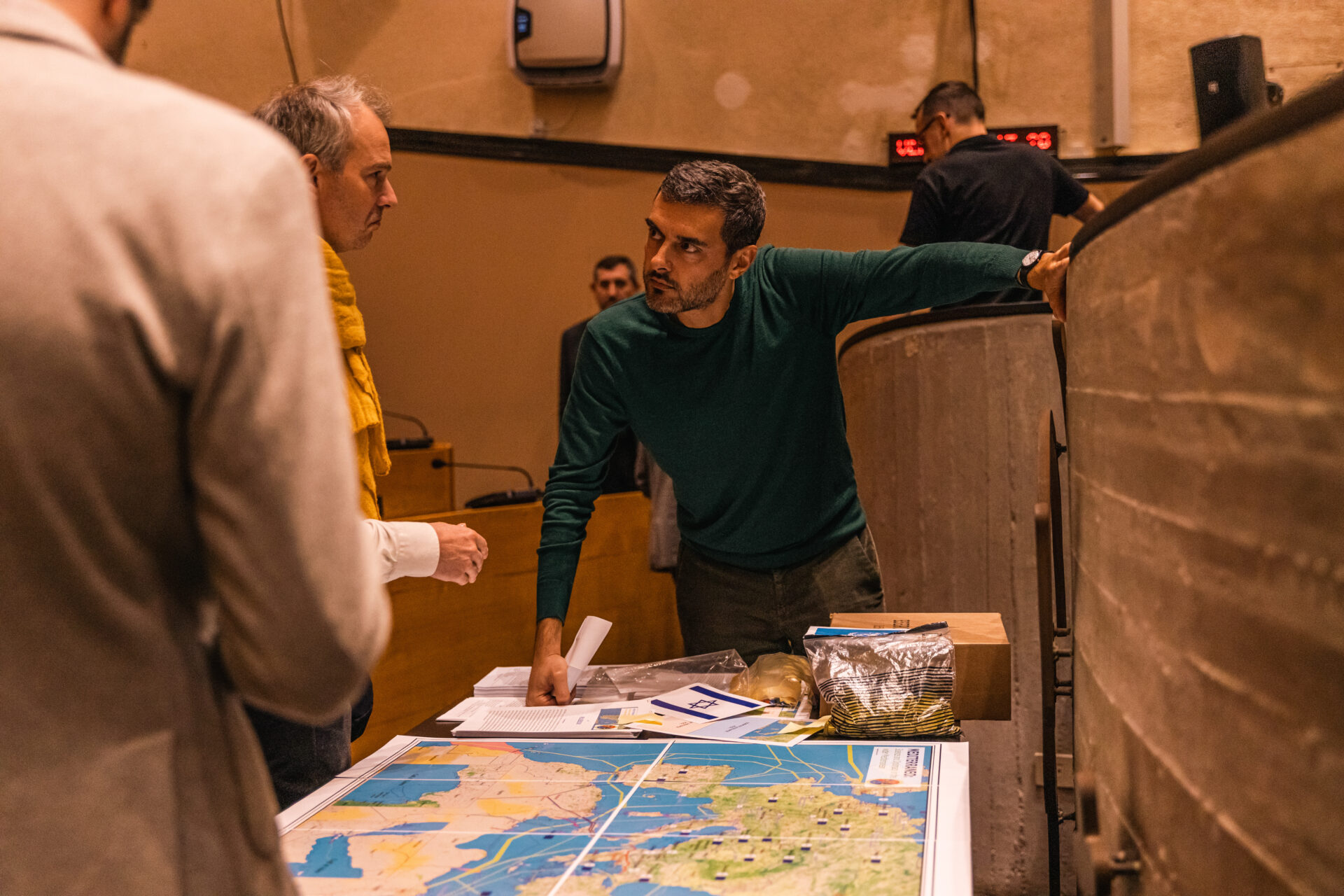
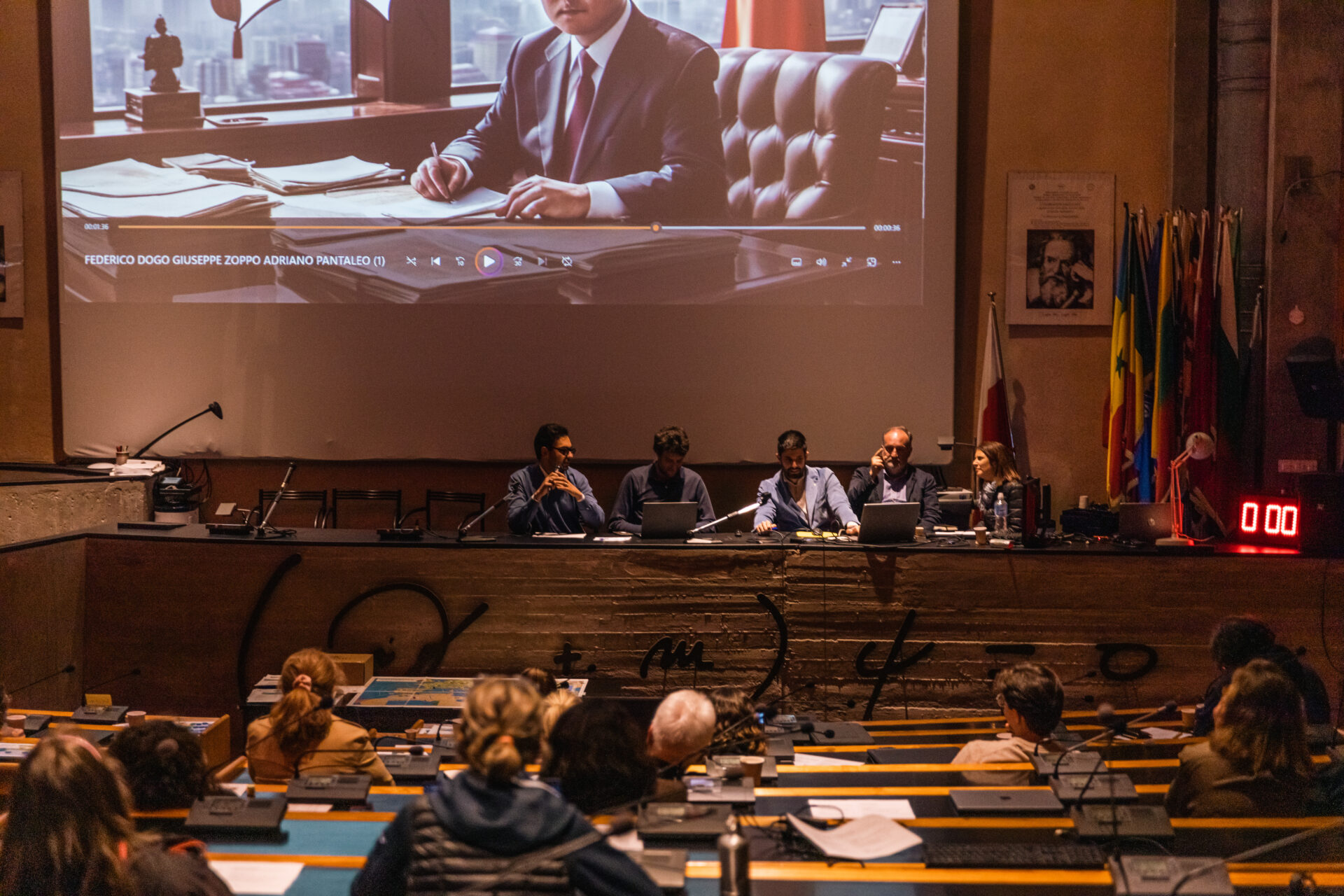
Within this context, the course “Science Diplomacy in the 21st Century. Foundations, Actors and Dynamics for Future Practice”, promoted by the International School of Science and Diplomacy of the Ettore Majorana Foundation and Centre for Scientific Culture, explores all the relevant aspects that characterize science diplomacy, from its origins to possible future interactions between the scientific and political-diplomatic spheres. Hence, the course does not limit itself to providing a theoretical framework for the discipline, but also examines its operational fields, key actors, and applied practices, offering participants the opportunity to engage directly through practical activities in simulated settings.
The course “Science Diplomacy in the 21st Century. Foundations, Actors and Dynamics for Future Practice” is addressed both to diplomatic staff and officials of international organizations and NGOs, as well as to academics, researchers and students, with the aim, since its very first edition, of fostering dialogue among different perspectives and areas of expertise on the role of science in the development of diplomatic relations and the strengthening of international cooperation.

i relatori
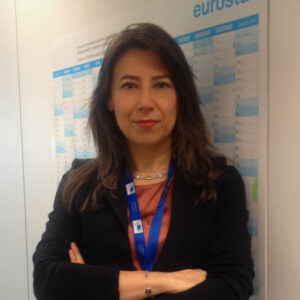
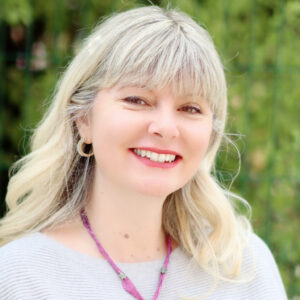
EMILIA GIORGETTI
Head of Sector – Scientific Cooperation with the Americas and Spain, CNR – International Relations Office
- CV
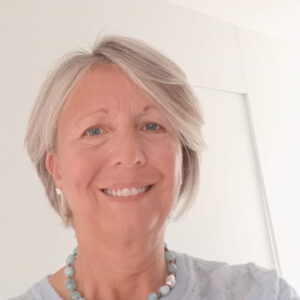
FRANCESCA TOLVE
PhD, Head of Sector – Science Diplomacy and International Cooperation, CNR – International Relations Office
- CV
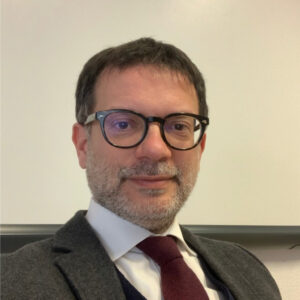
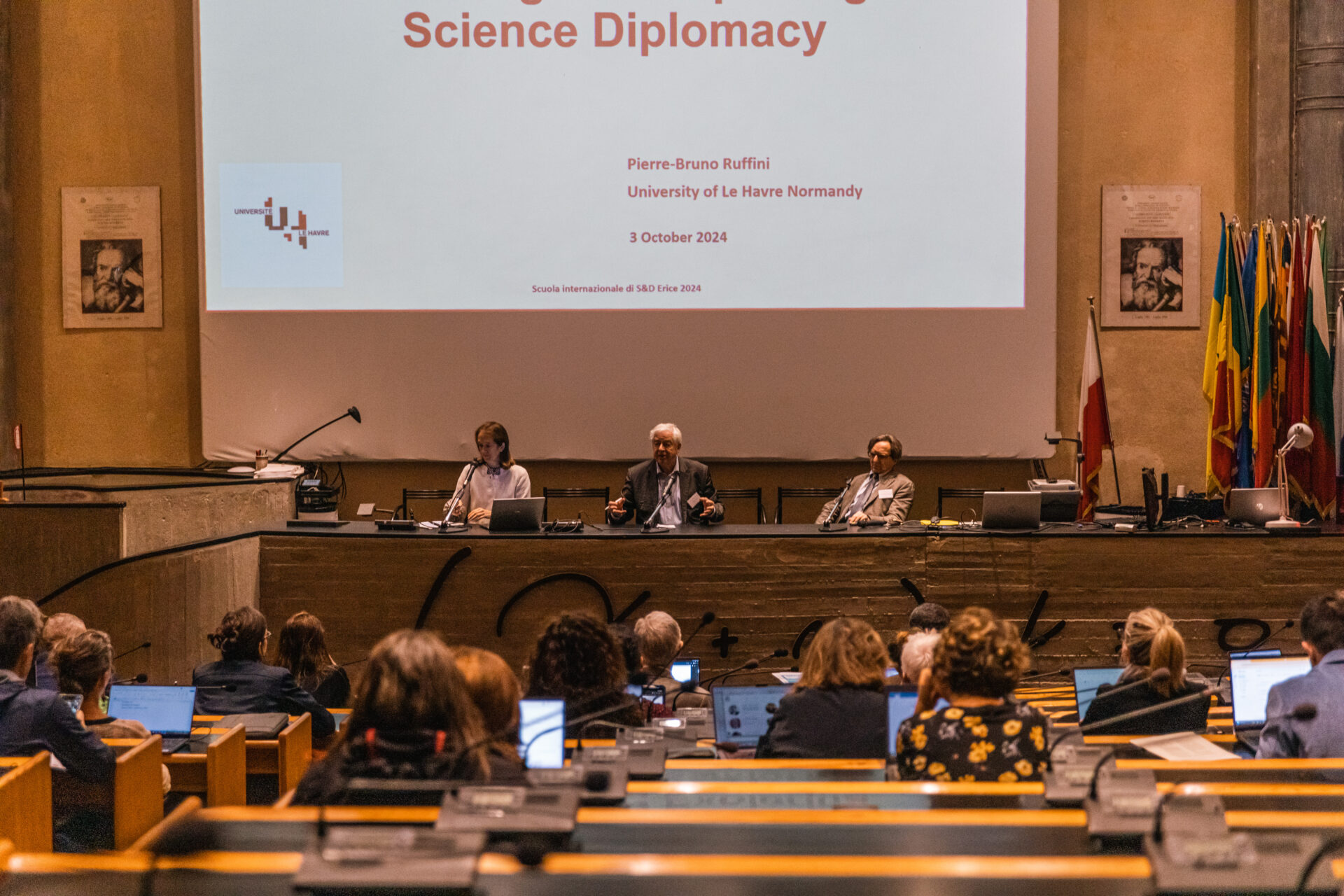
Pierre-Bruno RUFFINI
Université Le Havre-Normandie
“Science Diplomacy: an excursion into basic concepts and key issues”
- CV
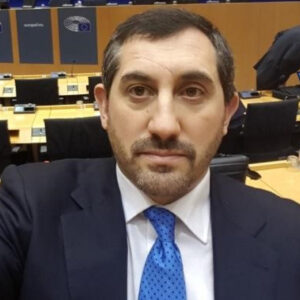
DAVID BURIGANA
UNIPD
- CV
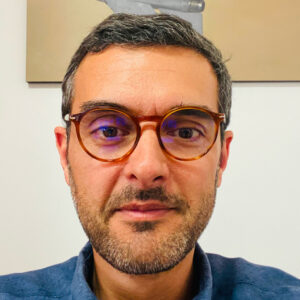
Pascal GRISET
SORBONNE UNIVERSITY
- CV
EMANUELA AGOSTINI
Author of theatrical texts and screenplays
Teacher at ISI Florence
Coordinator of the Storytelling Laboratory
- CV
Rasmus Gjedssø Bertelsen
Professor of Northern Studies, Barents Chair in Politics (University of Tromsø)
“Science Diplomacy of Arctic”
- CV
Léonard Laborie
CNRS Paris
- CV
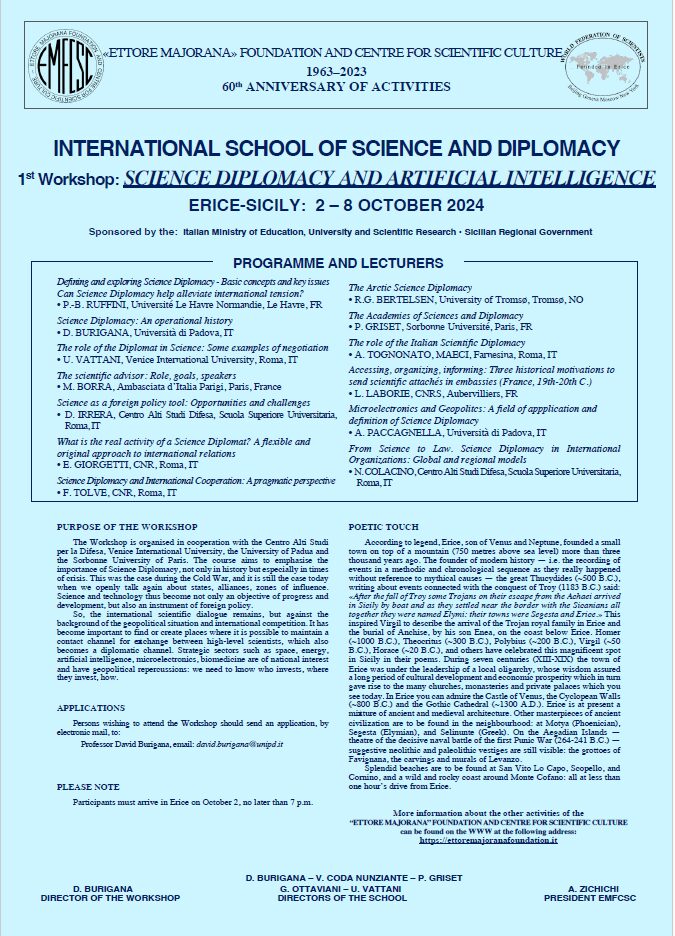
Poster
Participants' Arrival
14.30
Course Introduction/ice breaker
17.30
Team building activities
Prof. Pierre-Bruno Ruffini - Defining and exploring science diplomacy - Basic concepts and key issues
10.20-11.00
Prof. Pierre-Bruno Ruffini - Can science diplomacy help alleviate international tensions?
11.00-11.40
Prof. David Burigana – Science Diplomacy: an operational history
11.40-13.00
Amb. Umberto Vattani - The role of the Diplomat in Science: some examples of negotiation
13.30-15.30
Lunch
15.30-18.30
Storytelling Activity
Dr. Marco Borra - The scientific advisor: role, goals, speakers
10.20-11.40
Prof. Daniela Irrera - Science as a Foreign Policy Tool: Opportunities and Challenges
11.40-13.00
Dr. Emilia Giorgetti - What is the real activity of a science diplomat? A flexible and original approach to international relations
13.30-15.30
Lunch
15.30-18.30
Wargaming Activity
Dott.ssa Francesca Tolve - Science Diplomacy and International Cooperation: a pragmatic perspective
10.20-11.40
Prof. Rasmus Gjedssø Bertelsen - The Arctic Science Diplomacy
11.40-13.00
Prof. Pascal Griset – The Academies of Sciences and Diplomacy
13.30-15.30
Lunch
15.30-18.30
Storytelling Activity
Excursion
16.00-19.00
Wargaming Activity
Dr.ssa Alessandra Tognonato - The role of the Italian Scientific Diplomacy
09.40-10.30
Dott. Léonard Laborie - Accessing, organizing, informing: three historical motivations to send scientific attachés in embassies (France, 19th-20th C.)
10.30-11.40
Prof. Alessandro Paccagnella - Microelectronics and Geopolitcs: a field of application and definition of Science Diplomacy
11.40-13.00
Prof. Nicola Colacino - From Science to Law. Science Diplomacy in International Organizations: global and regional models
13.30-15.30
Lunch
15.30-18.30
Wargaming Activity
Ending/ Closing Course Ceremony (Certificates consignment; participants students 'scheduled speechs; collection of evaluation course survey )
PM
Departure
Aggiungi qui il testo dell’intestazione
MEDIA
All photos